
A realistic look at the Mediterranean diet – how it’s actually eaten, what matters most, and how to bring it into your everyday cooking.

When people hear “Mediterranean diet,” they often picture a checklist of foods: olive oil, fresh vegetables, grilled fish, maybe a glass of wine. And while those elements are certainly part of it, they don’t tell the full story.
The Mediterranean diet isn’t really a “diet” in the modern sense. It’s not a strict plan, a set of rules, or a short-term way of eating. Instead, it reflects a way of life shaped by culture, seasonality, and everyday habits across countries like Greece, Italy, and Spain.
And if you’ve grown up around it, or even just spent time in the Mediterranean, you’ll know that what’s on the plate is only part of it.
What the Mediterranean Diet Actually Is
At its core, the Mediterranean diet is based on simple, whole foods: vegetables, legumes, whole grains, olive oil, and fresh herbs. Meals are built around plants, with fish, dairy, and meat playing a more supporting role rather than the main focus.
But more importantly, it’s a pattern of eating that emphasizes balance over restriction. There are no forbidden foods, no calorie counting, and no rigid structure. Instead, it encourages variety, moderation, and enjoyment.
Research consistently links this way of eating to long-term health benefits, including improved heart health, better blood sugar control, and reduced risk of chronic diseases. But what makes it sustainable isn’t just the nutrition, it’s how naturally it fits into everyday life.
Try our Instant Pot Greek Green Beans for a simple, everyday example of how Mediterranean cooking brings vegetables to the centre of the plate.

It’s Not Just About Food
One of the biggest misconceptions is that the Mediterranean diet is only about ingredients. In reality, it’s just as much about how you eat as what you eat.
Meals are rarely rushed. They’re often shared, whether that’s a long family lunch or a simple dinner with friends. Cooking is part of the routine, not something squeezed in as an afterthought.
There’s also an emphasis on seasonality – using what’s fresh, local, and available. That might mean tomatoes at their peak in summer, hearty legumes in winter, or greens that change throughout the year.
This slower, more intentional approach to food plays a role in why the Mediterranean way of eating feels satisfying rather than restrictive.
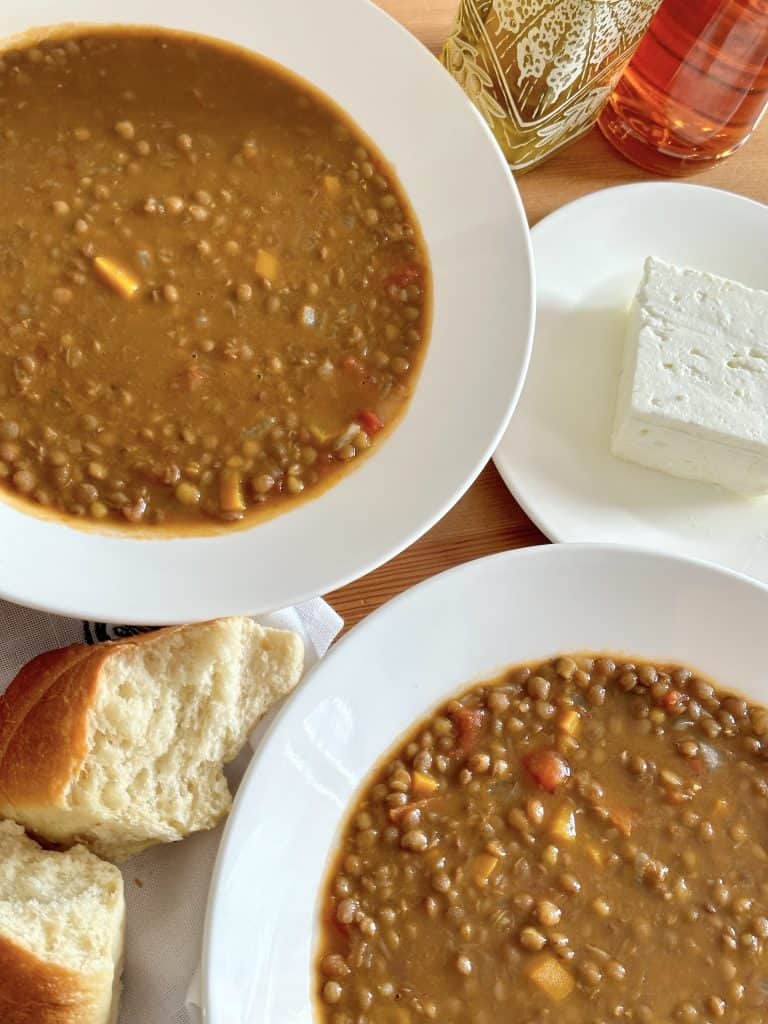
If you’re looking for a classic example, The Best Instant Pot Greek Lentil Soup (Fakes Soupa) is exactly the kind of meal that shows up regularly in Mediterranean kitchens – simple, filling, and made with pantry staples.
What a Typical Day on the Mediterranean Diet Might Look Like
Rather than strict meal plans, the Mediterranean diet is better understood through patterns.
A typical day might include:
- Breakfast: Yogurt with fruit, nuts, and a drizzle of honey
- Lunch: A vegetable-forward dish like lentils, beans, or a grain-based salad
- Dinner: Grilled fish or vegetables with olive oil, herbs, and a simple side
- Snacks: Fresh fruit, a handful of nuts, or bread with olive oil
Olive oil is used generously, not sparingly. Herbs and spices replace heavy sauces. And meals are designed to be both nourishing and enjoyable.
If you’re looking for practical examples, recipes like Greek Tabbouleh Salad and Greek-Style Oven-Baked Sea Bream fit naturally into this way of eating.
The Role of Key Ingredients
If you look closely at Mediterranean cooking, a few ingredients show up again and again.
Olive Oil
Olive oil is the foundation of Mediterranean cooking.
It’s not just a finishing touch – it’s how dishes begin. It’s used to sauté vegetables, build sauces, and add richness to plant-based meals. In many traditional recipes, it’s what brings everything together.
Vegetables
Vegetables are often the main dish, not a side.
This might look like green beans, roasted eggplant, sautéed greens, or a simple seasonal salad. Preparation is usually straightforward, but done in a way that brings out natural flavour.
Legumes
Beans and lentils are a staple, especially in Greek cooking.
They’re affordable, filling, and practical. More importantly, they’re satisfying enough to stand on their own as a complete meal.
Dishes like bean soup are part of a weekly routine in many homes, not something reserved for special occasions.
Grains and Bread
Grains and bread are present, but in a balanced way.
Bread is usually served alongside meals rather than becoming the focus. It complements dishes instead of replacing them.
Grains like bulgur, rice, or barley are often combined with vegetables, herbs, and olive oil to create simple, balanced meals.
Dairy, Fish, and Meat
Animal products are included, but more moderately than in many Western diets.
Dairy (like yogurt and cheese) appears in smaller portions. Fish is eaten regularly, especially in coastal areas. Meat is occasional, or used in smaller amounts within a dish.
This isn’t about restriction – it’s simply how meals are structured.

Simplicity Over Perfection
One of the reasons the Mediterranean diet works so well is that it’s realistic.
Meals don’t rely on complicated recipes or hard-to-find ingredients. Instead, they’re built from a few components that are prepared well and repeated often.
An everyday meal could be a pot of beans, a tray of roasted vegetables, or a simple salad. And while they’re simple, they’re also satisfying because of how they’re cooked and seasoned.
This is also where modern tools can help. Using an Instant Pot, for example, doesn’t change the philosophy – it just makes these kinds of meals easier to prepare consistently.
Seasonality and Flexibility
There’s no single version of the Mediterranean diet. What people eat changes depending on the season, the region, and what’s available locally.
Summer meals might centre around tomatoes, zucchini, and fresh herbs, whereas winter meals often include legumes, greens, and slow-cooked dishes.
This flexibility keeps meals varied without making them complicated. It also removes the pressure to follow a “perfect” version of the diet.
Flavour without Excess
Mediterranean food is simple, but never bland.
Flavour comes from layering a few key ingredients:
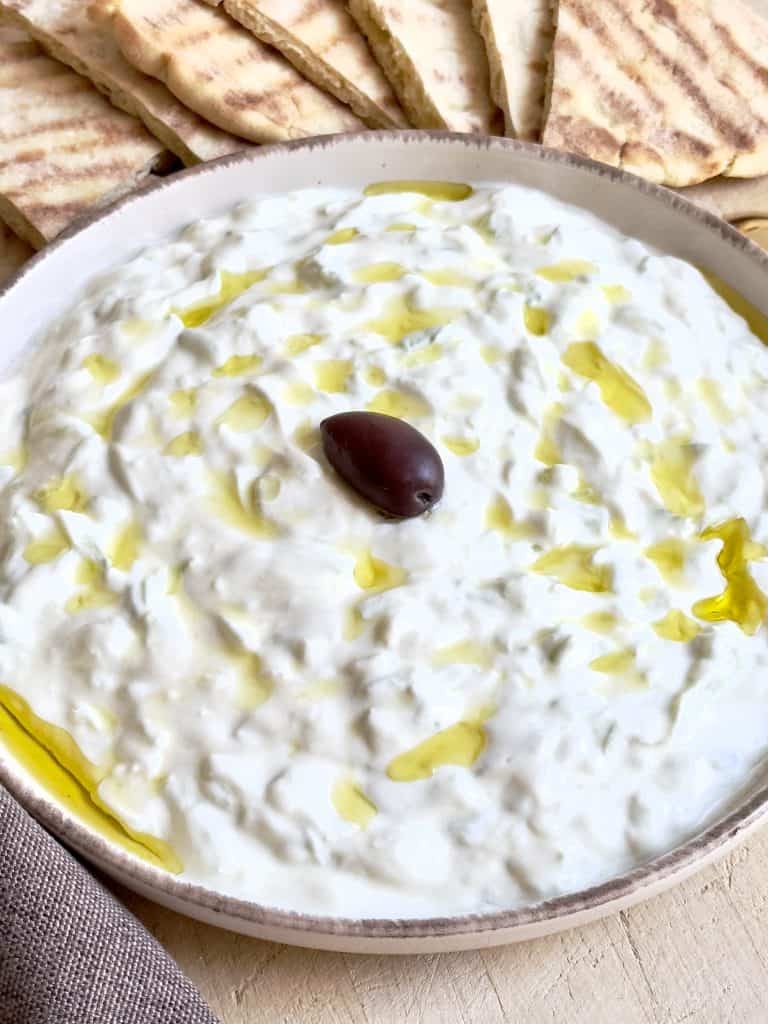
- Olive oil for richness
- Garlic and onion for depth
- Fresh herbs for brightness
- Lemon for balance
Instead of relying on heavy sauces or processed ingredients, the focus is on enhancing what’s already there.
A Way of Eating That Lasts
Unlike many modern diets, the Mediterranean approach isn’t designed to be temporary.
There’s no strict plan to follow and no finish line to reach. It’s simply a way of eating that can continue long-term because it fits into real life. No extreme restrictions, no complicated rules, no need for perfection. It works because it becomes part of your routine.
Bringing the Mediterranean Diet Into Your Own Kitchen
You don’t need to live in the Mediterranean to eat this way. What matters is the approach, not the location.
Start with small, practical changes:
- Cook more meals at home
- Let vegetables take up more space on your plate
- Use olive oil as your main cooking fat
- Keep recipes simple and repeatable
From there, it becomes less about following a “diet” and more about building habits.
The Bigger Picture
At the end of the day, the Mediterranean diet isn’t defined by a single ingredient or a strict set of rules.
It’s a pattern built on: Whole, simple foods, consistent home cooking, balance, moderation, and meals that are meant to be enjoyed.
That’s what makes it sustainable. It leaves room for real life – for busy days, changing seasons, and personal preferences. And that’s likely why it has lasted as long as it has. Not because it’s ideal, but because it works.

If you enjoyed this article – please let us know what you think in the comments… and please share!!
Leave a Reply